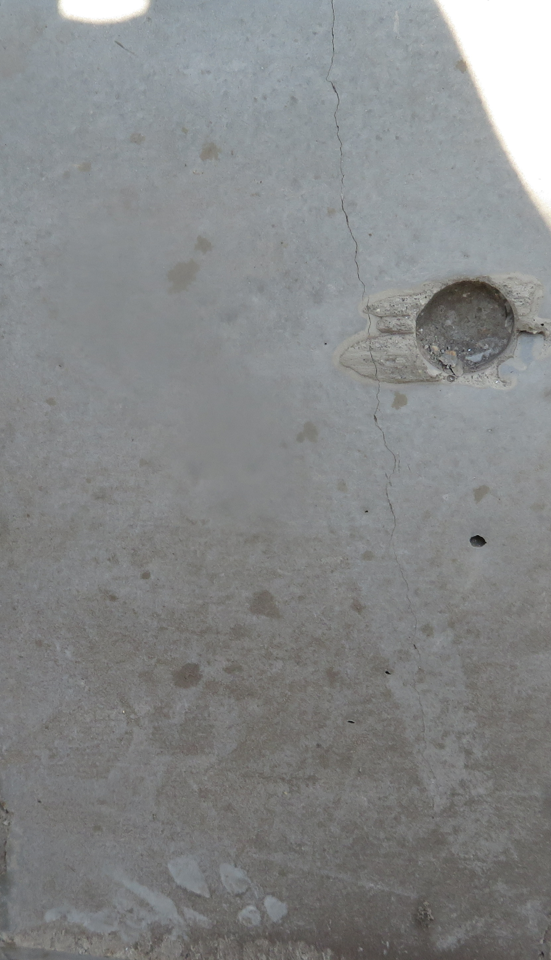
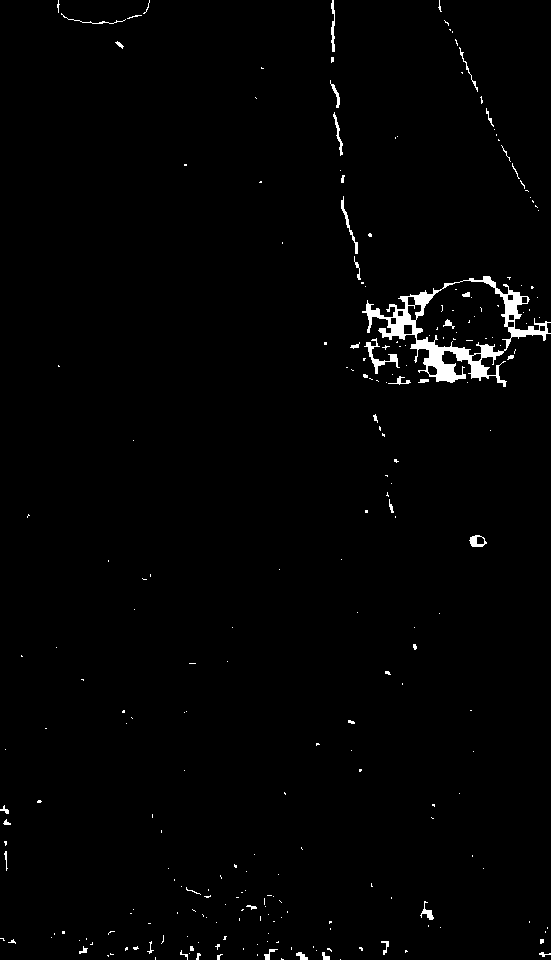
1
2
3
4
5
6
7
8
9
10
11
12
13
14
15
16
17
18
19
20
21
22
23
24
25
26
27
28
29
30
31
32
33
34
35
36
37
38
39
40
41
42
43
44
45
46
47
48
49
50
51
52
53
54
55
56
57
58
59
60
61
62
63
64
65
66
67
68
69
70
71
72
73
| import cv2
import math
import numpy as np
import scipy.ndimage
def orientated_non_max_suppression(mag, ang):
ang_quant = np.round(ang / (np.pi/4)) % 4
winE = np.array([[0, 0, 0],[1, 1, 1], [0, 0, 0]])
winSE = np.array([[1, 0, 0], [0, 1, 0], [0, 0, 1]])
winS = np.array([[0, 1, 0], [0, 1, 0], [0, 1, 0]])
winSW = np.array([[0, 0, 1], [0, 1, 0], [1, 0, 0]])
magE = non_max_suppression(mag, winE)
magSE = non_max_suppression(mag, winSE)
magS = non_max_suppression(mag, winS)
magSW = non_max_suppression(mag, winSW)
mag[ang_quant == 0] = magE[ang_quant == 0]
mag[ang_quant == 1] = magSE[ang_quant == 1]
mag[ang_quant == 2] = magS[ang_quant == 2]
mag[ang_quant == 3] = magSW[ang_quant == 3]
return mag
def non_max_suppression(data, win):
data_max = scipy.ndimage.filters.maximum_filter(data, footprint=win, mode='constant')
data_max[data != data_max] = 0
return data_max
gray_image = cv2.imread(r'rr2.png', 0)
with_nmsup = True
fudgefactor = 1.3
sigma = 21
kernel = 2*math.ceil(2*sigma)+1
gray_image = gray_image/255.0
blur = cv2.GaussianBlur(gray_image, (kernel, kernel), sigma)
gray_image = cv2.subtract(gray_image, blur)
sobelx = cv2.Sobel(gray_image, cv2.CV_64F, 1, 0, ksize=3)
sobely = cv2.Sobel(gray_image, cv2.CV_64F, 0, 1, ksize=3)
mag = np.hypot(sobelx, sobely)
ang = np.arctan2(sobely, sobelx)
threshold = 4 * fudgefactor * np.mean(mag)
mag[mag < threshold] = 0
if with_nmsup is False:
mag = cv2.normalize(mag, 0, 255, cv2.NORM_MINMAX)
kernel = np.ones((5,5),np.uint8)
result = cv2.morphologyEx(mag, cv2.MORPH_CLOSE, kernel)
cv2.imshow('im', result)
cv2.waitKey()
else:
mag = orientated_non_max_suppression(mag, ang)
mag[mag > 0] = 255
mag = mag.astype(np.uint8)
kernel = np.ones((5,5),np.uint8)
result = cv2.morphologyEx(mag, cv2.MORPH_CLOSE, kernel)
cv2.imwrite("result.png", result)
cv2.waitKey()
|